Super G&R Locksmith installs and audits access control systems Calgary businesses rely on to manage building entry. These systems let owners control who enters a building and when. There is no need to hand out a pocket full of metal keys anymore. Keypads, fobs, and card readers have become the standard for offices and retail spaces. They remove the guesswork around lost keys and unauthorized copies. This guide covers how these systems work, what commonly goes wrong, and how to choose the right setup. It also looks at how these systems fit alongside cameras and alarm monitoring. Most commercial buildings layer several security measures together rather than relying on just one.
Why Businesses Are Moving Away from Traditional Keys
A lost office key is more than an inconvenience. Once a key goes missing, a business has no way to know its fate. It may be truly lost, or it may be in the wrong hands. Rekeying every lock is often the only certain fix. Access control systems Calgary property managers install solve this differently. An administrator can revoke a single credential instantly. There is no need to touch the physical lock hardware at all.
This flexibility matters most for businesses with employee turnover. It also helps companies with multiple locations or after-hours contractors. A departing employee’s access can be shut off the moment they leave. There is no need to wait for a locksmith visit days later.
Common Access Control Components
Most systems combine a few core pieces of hardware. Understanding each one helps when planning an installation.
Keypads
Keypads use a numeric code entered on a small panel. Codes can be changed remotely or rotated on a schedule. They work well for back entrances and storage rooms. Shared spaces benefit too, since issuing individual fobs is often impractical there.
Card and Fob Readers
Card and fob readers assign each person a unique credential. That credential can be tracked and deactivated individually. This creates a record of who entered a space and when. Many businesses find this useful for both security and liability purposes.
Electric Strikes and Maglocks
The reader or keypad only controls the signal. The electric strike or magnetic lock actually releases the door. Choosing the right hardware for the door type matters for local fire code compliance. Some maglock configurations require a fail-safe release during emergencies.
Mobile Credentials
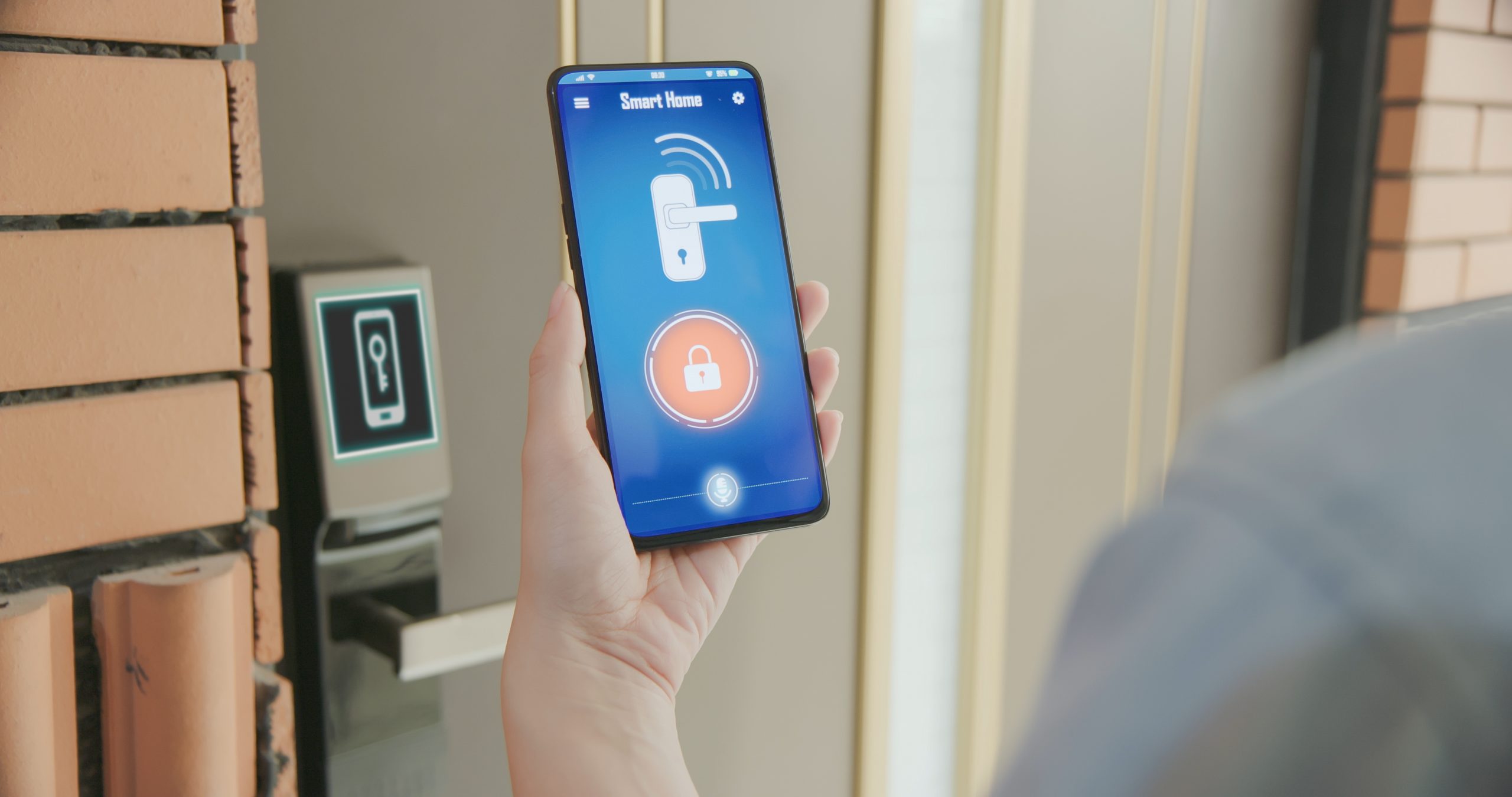
A growing number of businesses now issue access through a smartphone app instead of a physical fob. The phone communicates with the reader over a short-range signal, and the credential can be updated remotely at any time. This approach suits offices that already manage most operations digitally, though it does depend on staff carrying a charged phone.
Signs Your Access Control Systems Calgary Setup Needs an Upgrade
A system that was adequate five years ago may no longer fit a growing team. Watch for these warning signs.
- Multiple employees share the same code because individual credentials were never issued.
- Old employee codes are still active months after they left the company.
- The reader or keypad has started failing intermittently in cold weather.
- There is no way to see who entered the building after hours.
- Doors occasionally fail to lock automatically after business hours end.
Comparing Access Control Options
The table below compares the most common systems businesses choose between. Each one fits different building needs.
| System Type | Best Use | Security Level |
|---|---|---|
| Numeric keypad | Shared back doors, storage areas | Moderate |
| Fob or card reader | Individual employee access | High |
| Mobile credential app | Tech-forward offices, remote management | High |
| Biometric reader | Server rooms, restricted areas | Very high |
| Traditional key lock | Low-traffic single-tenant doors | Basic |
Planning an Installation That Fits Your Building
Every building has different traffic patterns and door types. Fire code requirements also vary by building age and use. A system that works for a small retail shop may not suit a multi-floor office. A proper site assessment reviews door hardware and existing wiring first. It also confirms how many access points need coverage before any equipment goes in. Industry estimates suggest a meaningful share of commercial break-ins involve doors that were never properly maintained. That makes an honest assessment worth the time before installation begins.
Fire and building codes matter here too. Access control hardware must allow safe exit during an emergency. This holds true regardless of whether power is available. Reputable installers reference guidance from bodies such as NFPA on egress requirements. Any commercial access control installation should follow that guidance closely.
Integrating Access Control with Existing Security
Access control rarely works alone in a modern commercial building. Many businesses pair it with cameras, alarm monitoring, or a receptionist checkpoint at the main entrance. The keypad or reader becomes one layer within a broader security plan rather than the only line of defense. Coordinating these layers matters, since a door that unlocks automatically for deliveries needs a camera covering that same entry point.
Retrofitting an older building adds complexity that new construction avoids. Existing wiring may not support modern readers without an upgrade. A masonry or concrete wall can also make running new cable more involved than in a wood-frame structure. A site visit before ordering hardware avoids avoidable surprises once installation begins.
Maintaining Access Control Systems Calgary Buildings Depend On
Installation is only the first step in the process. Regular audits catch stale credentials and worn hardware early. They also flag firmware that needs updating before it becomes a problem. A small issue can otherwise turn into a lockout for the whole team. Businesses that review their commercial locksmith services annually tend to catch these problems early. That beats discovering them during an actual security incident. For buildings with some traditional locks alongside electronic access, pairing with general locksmith support keeps every entry point covered under one plan.
Frequently Asked Questions
How long does a typical access control installation take?
Most single-door installations finish within a day. Multi-door commercial buildings may take longer depending on wiring and the number of access points involved.
Can an existing lock be integrated with a new keypad system?
In many cases yes, especially when the door hardware already supports an electric strike. Older doors sometimes need hardware upgrades first.
What happens to access control during a power outage?
Properly installed systems include a fail-safe or battery backup. Doors remain compliant with fire code requirements even if power is lost.
Is it possible to see a log of who entered a building?
Yes. Most card, fob, and mobile credential systems keep an access log. Administrators can review it for both security and staffing questions.
How often should access credentials be reviewed?
A quarterly review is a reasonable starting point for most businesses. It catches former employees or contractors whose access should have been revoked already.
Contact Super G&R Locksmith
Super G&R Locksmith helps Calgary businesses plan, install, and maintain access control systems that fit their building and team. Call (403) 461-7473. Visit #101 2750 3 Ave NE, Calgary, AB T2A 2L5. Support is available Monday to Sunday, 24 hours a day.