
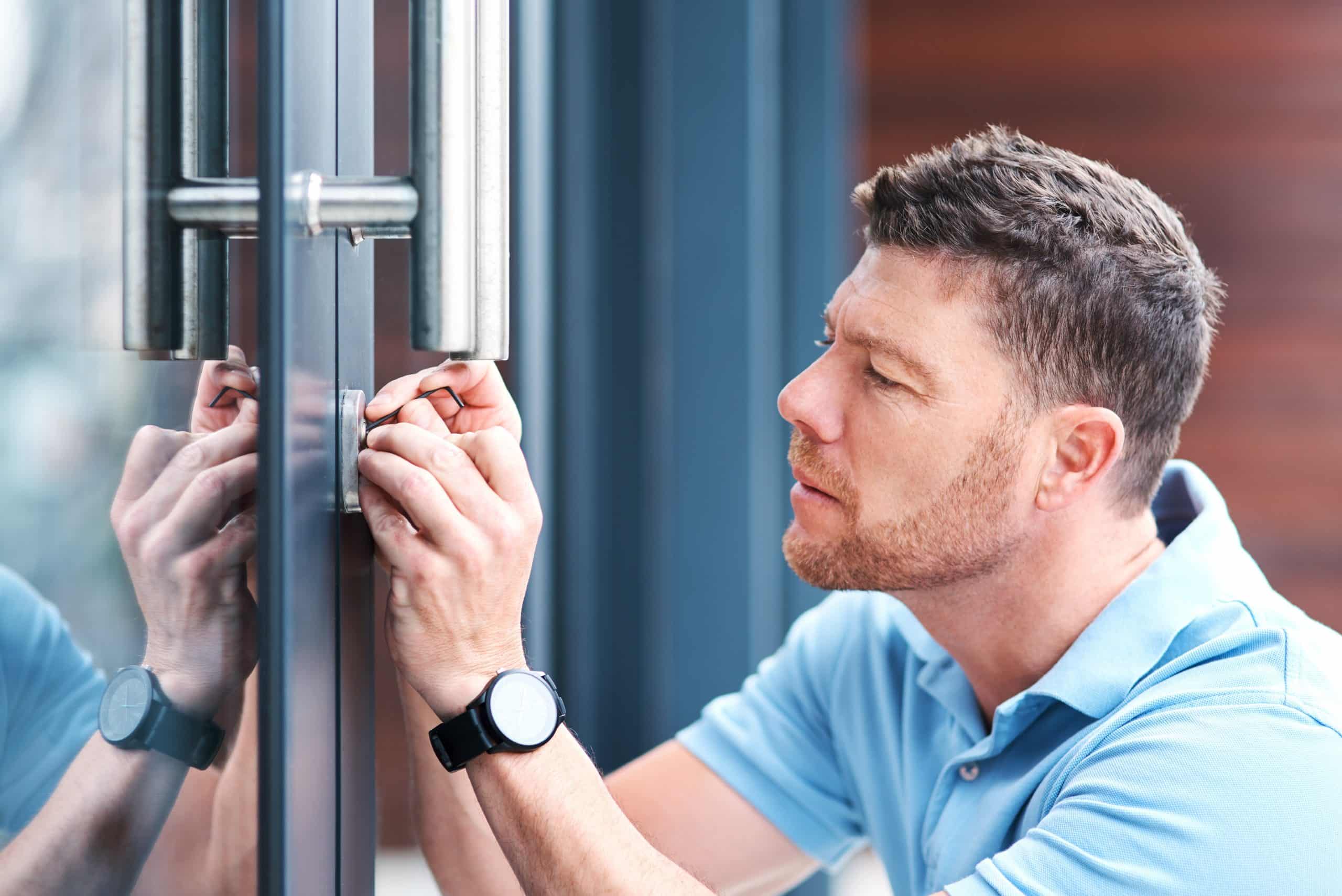
A sudden lock failure emergency can turn a normal day into a stressful situation within seconds. Super G&R handles these situations often, and the pattern is always the same. Everything works fine until the moment it doesn’t. Therefore, knowing what to expect and how to respond makes a real difference.
Locks rarely fail without warning, but many people miss the signs. As a result, the problem appears at the worst possible time. It could happen late at night, during bad weather, or when you are already in a rush. That is why understanding the risks and acting early helps avoid bigger trouble.
Why a Lock Failure Emergency Happens Without Warning
A lock failure emergency usually feels sudden, but the cause often builds over time. Small issues grow slowly, and most people ignore them. For instance, a key that sticks slightly may seem harmless at first. However, that friction creates internal wear that weakens the lock.
Daily use also plays a major role. Locks handle constant movement, and internal parts wear down over months or years. In addition, weather changes in Calgary can affect metal components. Cold temperatures can tighten mechanisms, while moisture can cause rust.
Poor installation or low-quality hardware can speed up failure as well. Therefore, even newer locks may fail earlier than expected. When all these factors combine, the lock eventually gives out at the worst moment.
The Most Common Situations Where Locks Fail
A lock failure emergency often happens during key moments when access matters most. For example, many people experience failure when leaving for work. The key turns halfway and then stops completely.
Another common situation happens at night. You return home, try to unlock the door, and the lock jams. That delay creates stress and safety concerns. Meanwhile, businesses face similar issues during opening hours, when staff cannot access the building.
Car locks can also fail unexpectedly. You might press the remote, but nothing responds. In some cases, the key will not turn in the ignition. This creates urgency, especially in unsafe or unfamiliar locations.
If you ever face this situation, quick help matters. You can reach support through emergency locksmith services when timing becomes critical.
Early Signs You Should Never Ignore
Most lock failures give small warnings before they turn into a lock failure emergency. Recognizing these signs helps you act before the situation becomes urgent.
First, notice how your key behaves. If it feels rough or difficult to turn, the internal pins may be wearing out. In addition, listen for unusual sounds. Grinding or clicking noises often signal internal damage.
Another warning sign is misalignment. If the door does not close smoothly, the latch may not sit correctly. Over time, this stress damages the lock mechanism.
Keys that bend or show wear also indicate trouble. A worn key can damage the lock further. Therefore, replacing keys early prevents larger issues later.
For homeowners, checking locks regularly is a simple step. If you need help with maintenance or upgrades, residential locksmith Calgary solutions provide support before failure happens.
What to Do During a Lock Failure Emergency
When a lock failure emergency happens, staying calm helps you make better decisions. First, avoid forcing the lock. Applying pressure can break internal parts and make repairs harder.
Next, check your surroundings. If you feel unsafe, move to a secure location. Safety should always come first. Then, consider your options based on the situation.
If you are locked out, avoid using improvised tools. These methods often damage the lock or door. Instead, contact a professional who can assess the problem quickly.
For vehicle issues, avoid repeated attempts to start the ignition if the key is stuck. This can damage both the key and ignition system. In these cases, automotive locksmith Calgary services can resolve the issue safely.
Businesses should also have a response plan. If a lock fails during work hours, quick action minimizes downtime. Reliable access is critical for operations.
How to Prevent Future Lock Failures
Preventing a lock failure emergency starts with regular care and awareness. Simple steps can extend the life of your locks and reduce unexpected issues.
Lubrication plays an important role. Using proper lock lubricant keeps internal parts moving smoothly. However, avoid household oils that attract dirt.
Routine inspections also help. Check how the lock responds to normal use. If anything feels off, address it early. Small fixes prevent larger repairs.
Upgrading old locks improves reliability. Modern systems offer better durability and security. In addition, professional installation ensures proper alignment and function.
For commercial properties, regular maintenance is essential. High-traffic doors experience more wear. Therefore, scheduled checks reduce the risk of sudden failure. Businesses can rely on commercial locksmith Calgary services to maintain secure access systems.
Why Quick Response Matters in Critical Moments
A lock failure emergency often creates more than inconvenience. It can affect safety, security, and daily routines. That is why a fast response reduces stress and prevents further damage.
Delays can make the situation worse. For example, forcing a damaged lock may require full replacement instead of repair. In addition, exposure to unsafe conditions increases risk.
Professional support ensures the issue gets resolved correctly. Trained technicians understand how to handle different lock types without causing damage. They also identify underlying problems to prevent repeat failures.
If you want to prepare in advance, it helps to know where to get assistance. Reliable support is available through trusted services like locksmith services Calgary, which provide quick and effective solutions.
In short, planning ahead reduces panic when problems occur. A proactive approach keeps your property secure and your routine uninterrupted.
FAQs
What causes a lock to fail suddenly?
Locks rarely fail instantly. Most failures result from wear, dirt buildup, or misalignment over time. Ignoring small issues allows damage to grow until the lock stops working completely.
Can I fix a lock myself during an emergency?
Basic checks are fine, but forcing or disassembling the lock can cause more damage. Professional help is the safest option to avoid costly repairs.
How often should locks be maintained?
It is best to inspect and lubricate locks at least once or twice a year. High-use doors may need more frequent checks to stay reliable.
Are newer locks less likely to fail?
Modern locks often last longer and offer better performance. However, they still require proper installation and regular maintenance to avoid issues.
What should I do if my car key won’t turn?
Stop trying to force the ignition. Continued attempts can damage both the key and ignition system. A professional locksmith can safely resolve the issue.