When you are locked out of your house, Super G&R Locksmith recommends slowing down for a minute before you try anything drastic. Panic leads to broken windows, bent frames and damaged locks, and those repairs are harder to fix than the lockout itself. A few calm checks often reveal an easy way in. This checklist walks you through what to try, what to avoid, and when to call a professional.
First Steps When You Are Locked Out of Your House
Start by confirming that every door really is locked. It sounds obvious, but people often skip it in the stress of the moment. Walk around the property and test the back door, the garage side door and any patio door. Check windows at ground level as well, but do not climb or force them.
Next, think about who else has access. A partner, roommate, neighbour or landlord may hold a spare key. A quick phone call can end the problem in minutes. If you left your phone inside, ask a neighbour to lend theirs, or use a nearby business.
Also check the weather and your own safety. In a Calgary winter, a long wait outdoors becomes a real risk. If it is dangerously cold, go somewhere warm first and sort out the lock from there.
Questions to Ask Yourself
- Did anyone else in the household leave a door unlocked?
- Is there a garage keypad or smart lock code you can use?
- Does a neighbour or property manager hold a spare?
- Are children or pets locked inside who need immediate attention?
If the answer to the last question is yes, call emergency services first. A child or pet in danger comes before any lock concern.
Safe Entry Methods Versus Risky Shortcuts
Online videos make being locked out of your house look simple. Credit cards, bobby pins and coat hangers appear in many tips. In practice, these tricks work only on a few older latch types, and they can easily damage the door. A modern deadbolt will not respond to a card at all.
Forcing a window is even riskier. You may cut yourself on broken glass, damage the frame, or void a window warranty. A broken window also leaves the home open until you can board it up. Professional entry avoids that damage and keeps your home secure afterward.
| Method | Works on | Main risk |
|---|---|---|
| Plastic card slip | Spring latches only | Bends the latch, breaks the card |
| Bent wire or hanger | Some interior handles | Scratches the door, rarely opens exterior locks |
| Forcing a window | Weak or old frames | Injury, broken glass, open home afterward |
| Kicking the door | Nothing safely | Splits the frame, harms the strike plate |
| Calling a locksmith | Most residential locks | Wait time while the technician travels |
The table makes one point clear. Every do-it-yourself method trades a small chance of success for a real chance of damage. A licensed locksmith opens most residential locks without harming the door, using tools designed for the job.
What a Locksmith Does When You Are Locked Out of Your House
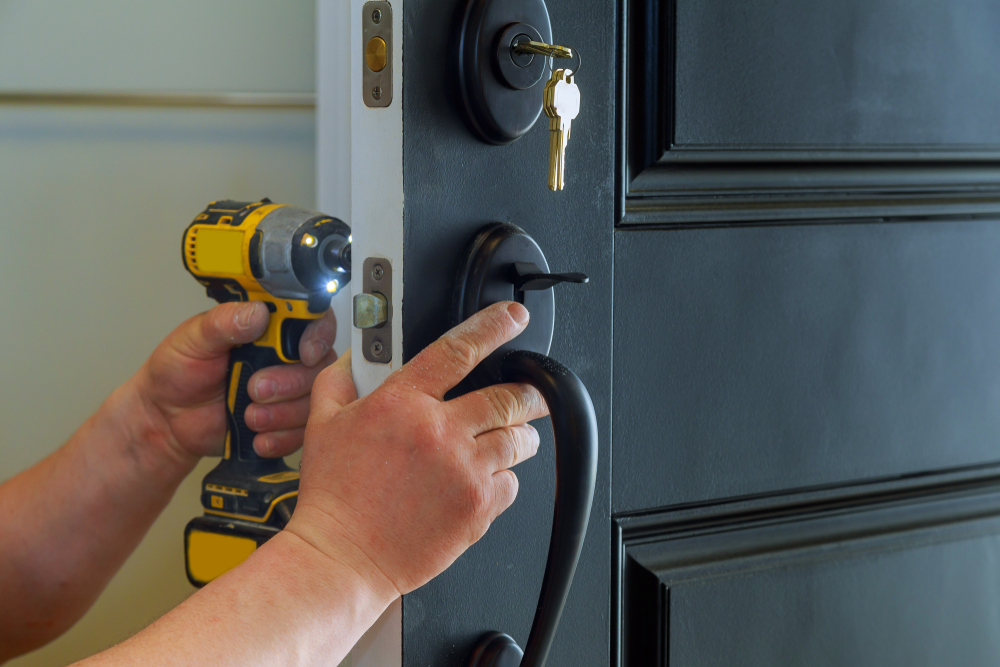
Most lockouts end without any damage to the lock. The technician first checks the door type, the lock brand and the condition of the latch. Then they choose the least invasive way in. For many standard locks, that means picking or bypassing the mechanism and leaving the hardware intact.
If a lock is damaged, worn or already failing, the technician may recommend repair or replacement. They will explain the options before any work begins. You will get an honest quote after the assessment, with no surprises.
Before opening a door, a legitimate locksmith asks for proof that you live there. A government photo ID with your address, a utility bill or a lease usually works. That step may feel awkward, but it protects every resident. You can read more about this in our article on how to spot a scam locksmith in Calgary.
Signs You Are Dealing With a Genuine Professional
- They give you a business name and phone number that match their website.
- They arrive in a marked vehicle or show clear identification.
- They ask for proof of residence before opening the door.
- They explain the work and give a quote before they start.
If any of these signs are missing, pause and ask questions. Our emergency locksmith service works around the clock, and our team follows each of the steps above.
How to Prevent the Next Lockout
Most lockouts follow a pattern. Someone rushes out the door, a lock engages automatically, and the keys stay inside. A few small habits break that pattern. Keep a spare key with a trusted neighbour, never under a doormat or a fake rock. Burglars check those spots first.
Consider a keypad lock or smart lock for the front door, since it removes the need to carry a key at all. Our smart lock installation page explains the options available. Also check that your locks work smoothly, because a lock that sticks is more likely to leave you stranded. Early warning signs are covered in our post on early warning signs of lock problems.
Habits That Keep You From Being Locked Out of Your House Again
1. Say "phone, wallet, keys" out loud each time you leave.
2. Give a spare to one person you trust.
3. Test your door lock monthly to catch problems early.
4. Avoid doors that lock automatically unless you carry a key.
5. Keep your phone charged so you can call for help.
When a Lockout Signals a Bigger Problem
Sometimes getting locked out of your house is about more than a forgotten key. If your key will not turn, the lock may be worn or frozen. If the door will not latch, the strike plate or hinges may have shifted. A lock that jams repeatedly can fail at the worst moment, so treat it as a warning.
Winter makes this worse. Moisture can freeze inside the cylinder, and cold metal contracts, so keys and latches bind. Never pour hot water on a frozen lock, since it can refreeze and make things worse. A commercial lock de-icer or a graphite lubricant is a safer choice.
After any lockout, take a moment to check the home for signs of tampering. The RCMP shares guidance on home safety and crime prevention that is worth reading once a year. If anything looks wrong, such as scratches around the keyhole, do not enter alone. Call the police.
Frequently Asked Questions
What should I do first if I am locked out of my house?
Check every door and window you can safely reach, and call anyone who might hold a spare key. If nobody can help, call a licensed locksmith. Avoid forcing anything, since repairs usually cause more trouble than the lockout.
Will a locksmith damage my lock?
In most cases, no. A trained technician uses picking or bypass tools designed to open locks without harm. If a lock is already damaged, we will explain whether repair or replacement makes sense.
Do I need to prove I live at the address?
Yes. A responsible locksmith asks for photo ID and some proof of residence, such as a utility bill. This protects you and your neighbours from anyone trying to enter a home that is not theirs.
Can I call a locksmith at night or on holidays?
Yes. Our team is available 24/7, including evenings, weekends and holidays. Call and describe the situation so we can plan the right tools.
Should I rekey the lock after a lockout?
Only if you lost your keys and fear someone has them. If you simply left them inside, rekeying is not needed. We can help you decide when you call.
Contact Super G&R Locksmith
Locked out right now? Call us on (403) 870-4095. We are open 24/7, and our office is at #101 2750 3 Ave NE, Calgary, AB T2A 2L5.