At Super G&R Locksmith, we hear about key duplication problems almost every week, usually after a fresh copy refuses to turn. The cause is rarely bad luck. Most failed copies trace back to the original key, the blank, or the way the cut was made. This guide explains which keys copy easily, which ones need extra steps, and how to avoid a wasted trip. You will also find a simple checklist to use before you hand over a key.
Key Duplication Basics: What Can and Cannot Be Copied
A standard house key is a flat piece of brass or nickel silver with a pattern of cuts along one edge. A machine traces those cuts and repeats them on a blank of the same shape. When the original is in good shape, key duplication takes only a few minutes and the copy works on the first try.
Trouble starts when the original is worn, bent or already a copy of a copy. Each generation of copy drifts slightly from the factory pattern. After three or four generations, the cuts can be off by enough to bind in the lock. We always recommend copying from the original key, or from a code, whenever one is available.
Some keys are deliberately hard to copy. Restricted keys and high-security profiles need special blanks that are only sold to authorized dealers. That protects you, because a stranger cannot walk into a hardware store and duplicate your key.
Keys That Usually Copy Without Trouble
- Standard brass house keys in common profiles
- Basic padlock keys without a restriction stamp
- Mailbox and filing cabinet keys, depending on the brand
- Simple utility and shed keys
Keys That Need Extra Care
- Keys stamped "Do Not Duplicate" or carrying a security card
- Dimple and laser-cut keys with milled grooves instead of edge cuts
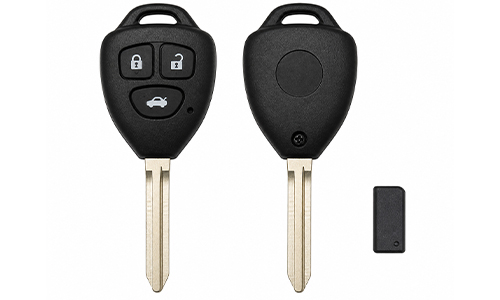
- Transponder car keys with a chip in the head
- Master-key system keys that open several locks
Common Reasons a Copy Does Not Work
A copy that sticks, spins or will not enter the lock usually points to one of a few causes. The table below matches each symptom to its likely cause and the usual fix. It saves guesswork before you decide whether to cut again or look at the lock itself.
| Symptom | Likely cause | What we do |
|---|---|---|
| Copy goes in but will not turn | Worn original or wrong blank | Re-cut from the original or from a key code |
| Copy turns only with jiggling | Cuts are slightly shallow | Adjust the cuts and test in the lock |
| Copy will not enter the keyway | Wrong blank profile | Match the blank to the keyway and cut again |
| Original also sticks | Dirty or worn lock cylinder | Clean, lubricate or repair the lock |
| Copy works, then fails later | Soft metal blank wearing quickly | Replace with a higher quality blank |
Notice that two of the five rows point at the lock, not the key. If both the old key and the new copy stick, the cylinder deserves a look. Our door lock repair service covers sticky and spinning locks, and a quick check often saves you from replacing the whole lock.
Preparing for Key Duplication: A Short Checklist
A little preparation makes the visit faster and the result better. Run through this list before you bring a key in.
1. Find the cleanest original you have, not a copy you made last year.
2. Check the key for bends, cracks or rounded edges. Damaged keys copy poorly.
3. Look for stamps such as "Do Not Duplicate" or a brand name on the head.
4. Bring any card or paperwork that came with a restricted key.
5. Test the copy in the lock right away, while the technician is with you.
Testing on the spot is the step most people skip. A key that turns in the shop but binds at your door is easier to fix when the cutting machine is still nearby. If your key will not copy, do not force it. Tell us which lock it fits and we can suggest the right route.
Copying Car Keys Versus House Keys
Car keys follow different rules than door keys. A modern car key often hides a transponder chip that talks to the engine immobilizer. Cutting the metal is only half the job, because the chip also needs to be programmed to the vehicle. Without that step, the key may open the door but never start the engine.
That is why a hardware kiosk can often copy a house key but not a newer car key. If you drive a late-model vehicle, read our guide to duplicating modern car keys for the full picture. For lost or broken keys, our team can help through car key replacement with mobile service.
Why Programming Matters
The chip inside a transponder key carries a code the vehicle must recognize. Industry estimates suggest many vehicles built since the late 1990s use some form of immobilizer. If the code does not match, the engine will not start. A proper copy therefore needs both a cut blade and a matching code.
How to Keep Your Copies Working Longer
Good habits stretch the life of every key you own. Most keys last years, but heavy daily use, cold weather and loaded key rings all speed up wear. A few small changes make a real difference.
- Keep a spare in a safe place, and use it only when needed.
- Avoid hanging heavy items on a key ring, since the weight wears the lock.
- Replace a badly worn key before it snaps in the lock.
- Mark spares clearly so you always copy from the original.
- Have each new copy tested in the lock it is meant for.
Calgary winters add one more factor. Cold metal can feel stiff, and a dry lock may drag on the key. A light graphite lubricant helps, and it keeps both key and cylinder moving freely. For longer-term security planning, our guide on choosing spare keys for security is a useful next read.
When Key Duplication Is Not the Best Answer
Sometimes copying is the wrong move, and key duplication only adds risk. If you have lost keys to a lock and do not know who found them, a new copy only adds one more key to the problem. In that case, rekeying the lock makes every old key useless while keeping the same hardware. Rekeying is also worth considering when a tenant, contractor or former employee has had a key.
A key that has been copied many times without records can be hard to track. Restricted keyways solve this, since only the registered owner can order more. For standards and testing of security products, see the information published by UL Solutions. Our team will explain your options and give an honest quote after assessing your lock.
Frequently Asked Questions
Why did my new copy not work?
The most common causes are a worn original, the wrong blank, or cuts that are slightly shallow. Bring both keys and the lock to us if the problem repeats. We test the copy in the lock so you know it works before you leave.
Can any locksmith copy a key marked "Do Not Duplicate"?
Not always. That stamp is a request, not a lock, but many locksmiths will ask for proof of ownership first. Restricted keyways may only be copied by the authorized dealer. We will tell you what is possible for your specific key.
Can you copy a car key with a chip in it?
Yes, in many cases. The blade is cut and the chip is programmed to match the vehicle. Some makes need additional steps, so tell us the make, model and year when you call.
Is it better to copy from the original or from a copy?
Always copy from the original. Each copy of a copy adds small errors, and those errors add up. A key code, when available, gives an even cleaner result.
What if my key breaks in the lock?
Stop turning it and do not use pliers. Call us and we can remove the broken piece without damaging the cylinder. We can then cut a new key.
Contact Super G&R Locksmith
Need help with a key that will not copy? Call us any time on (403) 870-4095. We are open 24/7, and you can find us at #101 2750 3 Ave NE, Calgary, AB T2A 2L5.