
When entry doors do not fully secure, small issues can quickly turn into serious safety concerns. Many homeowners notice that the door closes, but it does not lock tightly or feels loose when pushed. Therefore, ignoring these signs can leave your property exposed without you realizing it.
At Super G&R, we deal with these situations daily and understand how they develop over time. As a result, identifying the root cause early helps prevent larger problems and costly repairs later.
Why Entry Doors Fail to Secure Properly
A door that does not fully secure usually points to alignment or hardware issues. For example, the latch may not line up with the strike plate, or the door frame may have shifted slightly. Consequently, even a strong lock cannot function correctly if the components are not aligned.
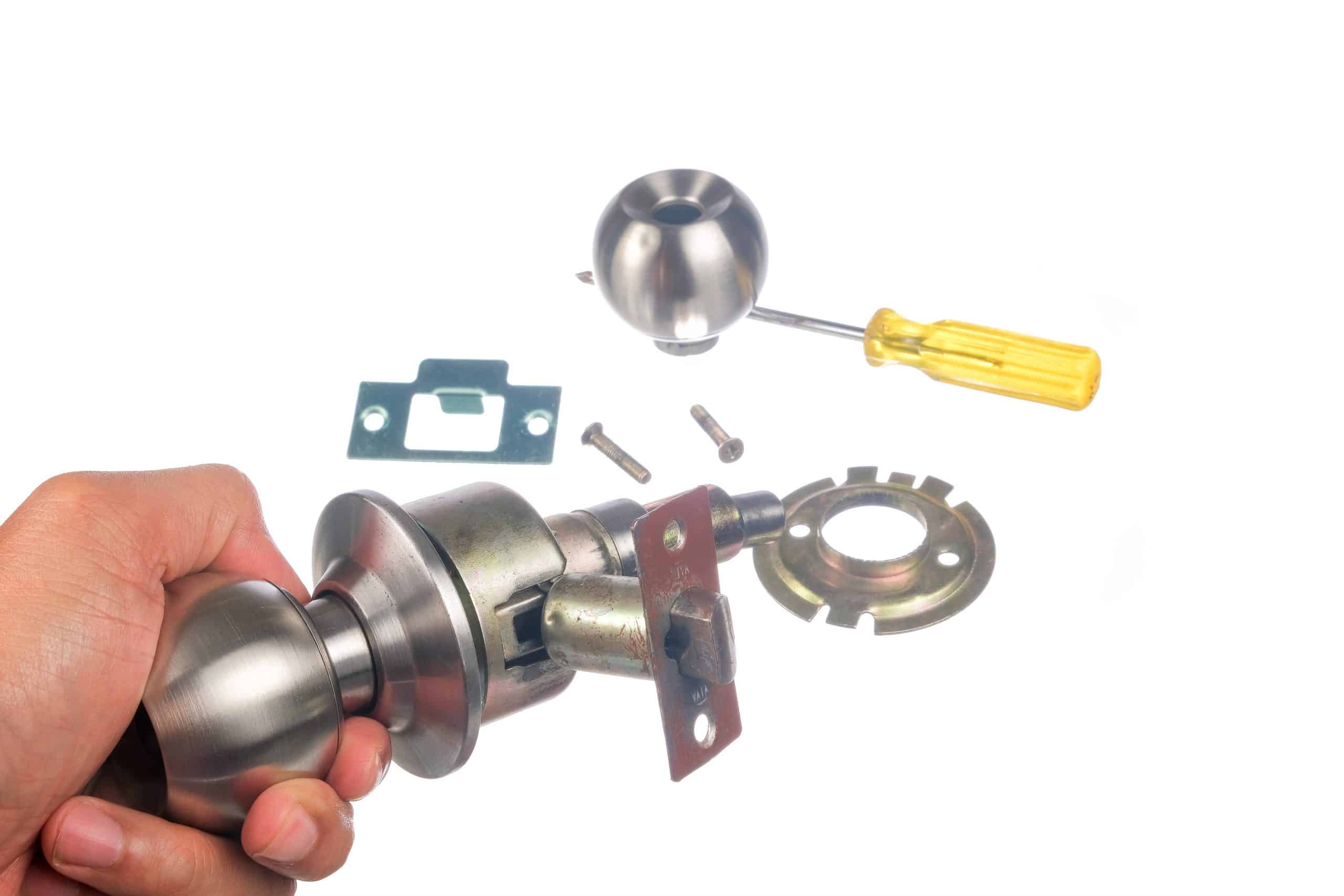
Another common cause is worn-out internal lock mechanisms. Over time, parts inside the lock begin to lose precision. In other words, the key may turn, but the locking bolt does not fully extend into place.
Weather conditions also play a role. During seasonal changes, materials expand and contract. As a result, doors can shift just enough to prevent proper closure and locking.
Signs Your Door Is Not Fully Secured
Recognizing the early signs is important before the issue worsens. Firstly, you may feel resistance when closing the door or notice it does not click into place smoothly. Secondly, the lock might turn easily but fail to hold the door firmly.
You might also notice gaps around the edges of the door. For instance, light or air coming through indicates poor alignment. Meanwhile, a loose handle or deadbolt can signal internal wear that affects security.
If any of these signs appear, it is best to address them quickly. You can explore solutions through residential locksmith services to ensure your home remains protected.
Common Mechanical Problems Behind the Issue
Several mechanical issues can cause a door to not fully secure. One frequent problem is a misaligned strike plate. Therefore, the latch cannot enter the plate properly, preventing full locking.
Another issue involves a sagging door. Over time, hinges loosen or wear down. As a result, the door drops slightly and no longer lines up with the lock.
Lock cylinder wear is also a factor. In addition, dirt and debris inside the mechanism can interfere with smooth operation. These small internal problems often lead to incomplete locking without obvious damage.
For advanced locking setups, faults in electronic components may also occur. In such cases, keypad and access control systems require proper inspection to restore full functionality.
Security Risks You Should Not Ignore
When a door does not fully secure, the risk goes beyond inconvenience. Most importantly, it compromises the safety of your home or business. A partially engaged lock is easier to bypass, even without force.
In addition, unstable doors can open under pressure from wind or external force. Consequently, this creates a false sense of security while leaving the property vulnerable.
Delayed repairs can also cause further damage. For example, forcing a misaligned lock can break internal components, leading to complete lock failure.
If the issue happens suddenly, quick action is necessary. In urgent situations, you can rely on an emergency locksmith to restore security without delay.
How the Problem Gets Diagnosed
Proper diagnosis starts with checking alignment and hardware condition. Firstly, the door frame and hinges are inspected to determine if shifting has occurred. After that, the lock mechanism is tested for smooth operation.
Next, the strike plate position is evaluated. If it does not match the latch, adjustments are required. Similarly, worn components are identified and replaced to ensure full engagement.
Electronic locks require additional testing. Therefore, wiring, sensors, and system responses are carefully reviewed to locate faults.
A detailed inspection ensures that all contributing factors are addressed, not just the visible symptoms.
Practical Solutions That Restore Security
Fixing a door that does not fully secure depends on the root cause. In many cases, realigning the strike plate or tightening hinges can restore proper function. However, deeper issues may require replacing worn lock components.
Sometimes, upgrading to modern locking systems provides better long-term results. For instance, reinforced deadbolts or smart locking systems improve both convenience and security.
Preventive adjustments also play an important role. In addition, regular maintenance keeps locks operating smoothly and reduces wear over time.
If the problem extends beyond residential setups, even vehicle access systems can show similar symptoms. In such situations, solutions from automotive locksmith Calgary help address related lock concerns effectively.
For general support and professional inspection, visiting locksmith services Calgary provides access to reliable solutions tailored to your situation.
Preventing Future Door Security Problems
Preventing these issues starts with routine care. Firstly, checking door alignment every few months helps catch early signs of shifting. Secondly, lubricating locks ensures smooth operation and reduces internal wear.
Avoid slamming doors, as repeated impact weakens hinges and alignment over time. Likewise, addressing minor issues quickly prevents them from turning into major repairs.
Regular inspections keep your entry points secure and reliable. Most importantly, consistent maintenance ensures that your door always locks fully and functions as intended.
FAQs
Why does my door close but not lock properly?
This usually happens due to misalignment between the latch and strike plate. As a result, the locking mechanism cannot fully engage even though the door appears closed.
Can a loose hinge affect door security?
Yes, loose or worn hinges can cause the door to sag. Consequently, this prevents proper alignment and stops the lock from securing the door completely.
Is it safe to use a door that does not fully secure?
No, it creates a security risk because the lock is not fully engaged. Therefore, the door can be opened more easily or fail under pressure.
How quickly should I fix this issue?
It should be addressed as soon as possible. In other words, delaying repairs increases the risk of lock failure and potential security breaches.
Do I need to replace the entire lock?
Not always. Sometimes, simple adjustments or minor part replacements solve the problem. However, severely worn locks may require full replacement for reliable security.