
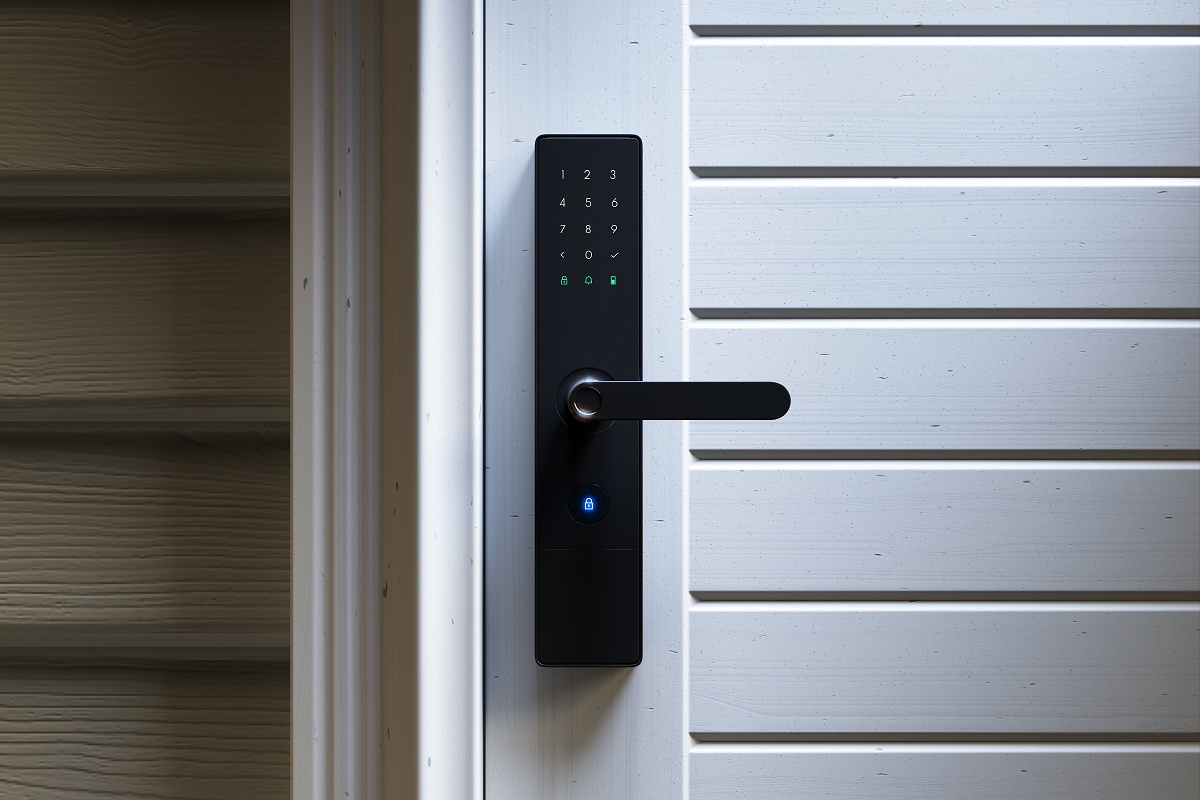
Children explore everything. Sometimes, that curiosity leads them straight to door locks. We understand how important it is to keep kids safe without the need for costly replacements or major changes. That’s why we want to share practical ways to child-proof your front and back doors using simple tools, smart adjustments, and a little planning.
Use Latch Guards and Top-Mounted Devices
Many children quickly figure out how to twist and unlock door handles. That’s why it helps to block access altogether. Instead of replacing locks, we install latch-style guards or covers that wrap around the handle and keep it out of reach. These covers fit over existing hardware and usually snap shut or twist to open.
At the same time, we’ve seen how helpful top-mounted locks can be. These devices are fixed well above a child’s reach and can slide or flip into place. They prevent the door from opening even if the lower knob is unlocked. Since they require no drilling into the lock itself, they’re ideal for rented homes or older door frames. For more home safety improvements like these, you can explore options through our residential locksmith Calgary services page.
Add Deadbolt Reinforcement Without Replacement
Securing the existing deadbolt doesn’t always require installing a new one. When the goal is child safety, reinforcement can go a long way. Some door frames weaken with time, making it easier for doors to shift or unlatch. We usually add reinforcement plates around the bolt and strike plate, which helps everything stay tight and resistant to tampering.
More importantly, adding a keyed lock that stays in the locked position until manually released from the inside helps prevent children from turning the thumb latch. This method keeps your current lock but makes it more resistant to little hands. There are also anti-turn covers available that fit around thumb latches and act as a barrier. For urgent lock issues that involve security or failed hardware, our emergency locksmith response can assist with same-day help.
Try Out-of-Reach Slide Bolts and Door Top Latches
Some of the most reliable solutions are also the most basic. We often recommend adding slide bolts or chain locks near the top of the door where kids can’t reach. Even if your main lock disengages, this second measure acts as a backup. These bolt-on additions are easy to install with basic tools and work well on most wood and metal doors.
In the same vein, door top latches mount at the top edge of the door and remain completely hidden from a child’s view. They operate by pushing or pulling from above, which keeps them secure against climbing toddlers. Because they don’t interfere with the main lock, they provide added protection without altering the original mechanism.
Use Visual Cues and Simple Behavior Changes
Not every safety fix requires hardware. We’ve worked with many families who combine physical tools with behavioral strategies to reduce risks. For example, placing a visual reminder near the handle — such as a sticker or bright tape — can signal a no-touch zone for toddlers. This simple cue, when combined with gentle guidance, can help kids form good habits early on.
Additionally, placing furniture or shelving near the door can either block access or reduce the chance of a child reaching the lock. It’s also helpful to designate a specific door for daily use and keep others consistently locked from the inside. That way, children learn which doors are always off-limits, even when they’re curious.
Check the Door Alignment and Frame Condition
Sometimes, the real risk isn’t the lock but how well the door closes. We often find doors that don’t align properly, which means they can be opened with a little pressure even when locked. Children may push or bump these weak points without meaning to, creating a possible escape route.
We check for gaps between the door and frame, loose hinges, and misaligned latches. Adjusting the strike plate or tightening the hinges can restore a solid close. If the door frame is too damaged to hold a lock securely, we may use reinforcement kits that brace the frame without full replacement. You can read more about this type of work through our Calgary locksmith home page.
Prevent Key Access and Handle Twisting
Keys left in locks or nearby surfaces can tempt children who like to imitate adults. To prevent this, we always remove keys from front and back doors when not in use. If you have a keyed lock on the inside, consider swapping to one that uses a thumb latch or separate barrier like a slide bolt, so keys aren’t required at all.
Another way to prevent access is by using lever handle blockers or wraps that make twisting the handle difficult for small hands. These plastic sleeves or clip-on tools reduce grip strength and slow down any attempts to unlock the door. Some models even make a loud clicking sound when handled, alerting parents before the door opens.
Choose Flexible Barriers for Sliding or Patio Doors
Rear entries often use sliding doors, which pose their own risks. Instead of replacing those locks, we insert patio door security bars into the track. These bars stop the door from sliding open, even if the lock is disengaged. Many versions are adjustable and press-fit between the wall and sliding panel.
If you use a glass sliding door, adding decals or visual markers at eye level helps children recognize that it’s a barrier. For added safety, you can apply removable bumpers or corner guards to the edges. These tools help soften sharp corners and reduce the impact if a child runs into the door while playing.
Know When to Upgrade for Long-Term Safety
Sometimes, older locks reach the point where simple adjustments no longer provide full peace of mind. If you notice frequent jamming, stuck latches, or locks that stay loose even after tightening, it may be time to look into new hardware. However, that doesn’t mean a full system overhaul is always needed.
We suggest starting with the areas that see the most use, like front entries, and installing higher-grade interior barriers or stronger reinforcement plates. These changes improve safety while preserving the original door design. If you’re unsure about what works best in your home, feel free to contact us for advice or inspection. Our team can walk you through safe options that match your layout and budget.
FAQ
What is the safest way to child-proof a door without replacing the lock?
The safest method is using a combination of top-mounted locks, door knob covers, and slide bolts that add a second layer of security.
Can I install a child safety lock without damaging the door?
Yes. Most safety latches and lever guards use adhesive or minimal screws, making them removable without leaving damage.
Are child-proof locks easy for adults to use daily?
Most are simple to open with one hand, especially top latches or door knob covers designed for adults but tricky for toddlers.
Should I worry about my child finding the key or unlocking the door?
Yes, always keep keys out of reach and remove them from locks after use. Add secondary latches above reach as a backup.
What’s the best option for sliding doors?
Use a track bar or foot lock to stop the door from moving. Adding decals at eye level also helps children recognize the barrier.