
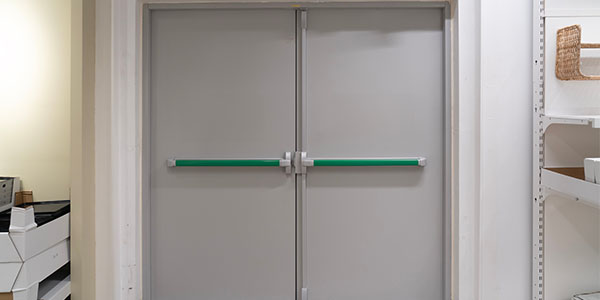
Retail security usually starts at the front door. That’s where customers enter, deliveries arrive, and visibility is highest. But the back door? It’s often overlooked. That’s a mistake many businesses make, and it shows up in one place more than any other: the locks. Back-door locks in retail buildings fail more often than front entrances, and the reasons are almost always practical. Knowing why can help avoid major disruptions and repair costs.
Back Entrances Get Less Maintenance Attention
Unlike front doors, back entrances stay out of sight and mind. We usually check front locks daily. Staff open and close them, so if something feels off, it’s reported. However, back locks may only be used a few times a day. That’s not enough for someone to notice gradual wear. As a result, small issues build up over time. Misalignment, rust, or weak springs go unnoticed until the lock jams or breaks entirely.
In many cases, stores don’t apply regular lubrication to these locks. That’s a basic step we recommend for all commercial access points. But back doors often get skipped during routine cleaning or inspection. Over time, dust, moisture, and even small temperature shifts reduce how smoothly the key turns. Without care, wear increases and failures happen more often than expected.
We see this most during emergency calls, especially when a store can’t open on time. If you want to reduce the chance of a lock failure disrupting operations, it helps to schedule a full inspection through a trusted commercial locksmith in Calgary.
Delivery Use Adds Strain to Lock Hardware
Most deliveries come through the back. Every time someone unlocks that door to bring in packages or inventory, they’re adding stress to the lock. That use itself isn’t a problem, but when delivery staff rush or yank on a sticky key, the lock takes more damage. Over time, that strain becomes permanent.
In some shops, temporary staff or drivers may not treat the lock gently. We often hear about keys snapping, doors slamming, or locks sticking mid-turn. When a lock sees irregular use by many hands, there’s more room for error. It also increases the odds that someone forces a turn too hard or misuses the key.
Back-door locks aren’t always installed to handle that kind of wear. Some are basic models chosen just to meet building codes. That works fine when the door is used rarely, but when it sees five to ten deliveries per day, the hardware breaks down sooner. Stronger commercial-grade locks help. So do small reinforcements, like strike plates or door closers, to prevent misalignment.
Weather Exposure Weakens Rear Door Locks
Most front entrances are protected by awnings or vestibules. Back doors usually have no such protection. As a result, we see faster rusting, freezing, and moisture damage in the locks and surrounding frame. This is especially true in Calgary, where weather changes rapidly. Temperature swings cause condensation to form inside locks. That moisture then freezes, expands, and cracks internal parts.
Water also brings dirt and grit into the keyhole. As people turn their keys, that debris scratches the pins or tumbler. After enough damage, the lock stops responding reliably. Even simple turning becomes unpredictable. These issues don’t appear overnight. They build up slowly, and by the time failure occurs, repair might no longer be an option.
Installing proper weather stripping and choosing locks designed for outdoor exposure reduces these risks. But even then, regular checks are necessary. Seasonal temperature changes can easily lead to small leaks that get worse with time.
We help many businesses fix these problems through routine locksmith services in Calgary, especially in high-exposure areas where corrosion is common.
Back Doors Are Common Break-In Targets
Thieves rarely try the front door. That area has lighting, cameras, and passing traffic. The back, however, is darker and quieter. Many retail break-ins start at the rear entrance, and attackers often force the lock using pry tools, drills, or impact devices. Once compromised, the lock can’t secure the door again, even if the thief is unsuccessful.
Repeated forced entry attempts leave permanent structural damage. Even after repairs, the alignment may stay off, and the lock won’t function smoothly. We’ve worked on doors where bolts grind, handles shake, or latches fail to catch. These signs are more than annoying—they’re a warning that full failure is close.
Adding stronger locks helps, but so does reinforcing the frame, latch guards, and door material. When locks are installed with crime prevention in mind, they last longer and resist most tampering attempts. Retailers who neglect these upgrades see more failures, simply because their back locks are the easiest point to attack.
We always suggest reviewing this entry point with a qualified Calgary locksmith for businesses to find and fix vulnerabilities before they turn into costly repairs.
Rear Locks Are Often Installed Poorly
In many retail buildings, the back door is installed as part of a renovation or expansion. That door might not be hung correctly, or the frame might shift due to uneven ground. Poor alignment makes it harder for the lock to seat properly. That’s one of the biggest causes of early failure.
Sometimes, we see deadbolts that don’t extend fully or latch bolts that don’t sit square in the strike plate. These misalignments create small gaps or add friction every time the door is used. Over months or years, that friction wears down the internal parts of the lock. What starts as a slight resistance turns into stuck keys, jamming, or full lockouts.
The same goes for improper hardware pairing. For example, a lightweight commercial lock might be installed in a heavy steel door. That mismatch increases stress with every use. Over time, the lock weakens faster than it should.
Fixing these issues early reduces future breakdowns. When you notice small quirks—like needing to lift the handle slightly to turn the key—that’s the right time to get help. Don’t wait until the door stops opening altogether. If your business has run into any of these concerns, you can always contact us for expert lock repair support.
Back Doors Are Often Used for Shortcuts
In busy retail environments, staff sometimes use back exits for quicker access to garbage bins, smoke breaks, or outdoor loading areas. That door, designed for limited use, ends up opening dozens of times daily. Each open-close cycle adds wear to the lock, latch, hinges, and closer.
We’ve also seen staff wedge the door open with objects, causing the latch to stay extended for hours. That stretches the springs inside the lock and damages the strike. Even worse, if the door slams shut on a misaligned frame, it impacts the bolt and weakens the housing.
No one intends to break the lock. But when the back door becomes a shortcut, it turns into a high-use entry without the protections of the front. If your store relies on this exit more than originally planned, it’s smart to upgrade the hardware and adjust usage habits.
In these cases, we often recommend mechanical upgrades that hold up better under constant use. Small changes, like rekeying or adding a secondary latch, go a long way to extending the lock’s lifespan.
FAQs
Why does my back-door lock feel loose compared to the front one?
Rear locks often receive more physical abuse and less maintenance. Over time, that leads to loose components inside the lock cylinder or around the strike.
How often should commercial door locks be checked?
At minimum, we recommend a visual check every three months and a full inspection once per year. High-use locks may need servicing more frequently.
Can I just replace the lock if it’s failing, or should I check the door too?
Replacing the lock might work short term, but it’s important to check the frame and strike alignment. Poor alignment causes fast wear even on new locks.
What’s the best way to prevent rust on outdoor locks?
Use locks rated for outdoor conditions and apply lubricant twice a year. Installing a canopy or shield above the door also helps reduce moisture exposure.
Is rekeying enough after a break-in attempt?
No, rekeying only changes the key pattern. After a forced entry, the lock and door may be structurally damaged. Full replacement is usually the safer option.